
From Latin America to the world
Let them fly.
Hens are born with wings. In a battery cage, they never get to open them.
The problem
A whole life in less space than a sheet of paper
More than 8 in 10 egg-laying hens in the world live in cages: small wire enclosures set in long, stacked rows. There is no room to walk freely or to fully spread their wings, for their whole lives. 2
European law allowed battery cages with as little as 550 cm² per hen: less than a single A4 sheet of paper (624 cm²). To flap her wings, a hen uses between 1,693 and 3,345 cm².5109
Latin America and the world
The world
What they lose
Everything that makes a hen a hen
Hens are curious, social animals with strong natural needs. A cage takes away all of them.74139
Spreading their wings
The space in a cage is too small for a hen to fully stretch or flap her wings.
Building a nest
Hens have a strong drive to lay their eggs in a secluded nest. Barren cages offer none.
Perching
Hens naturally rest on perches, especially at night. Battery cages have no room for them.
Dust bathing
Bathing in loose earth keeps their feathers healthy. In a wire cage there is nothing to bathe in.
Cage-free
A world without cages is possible
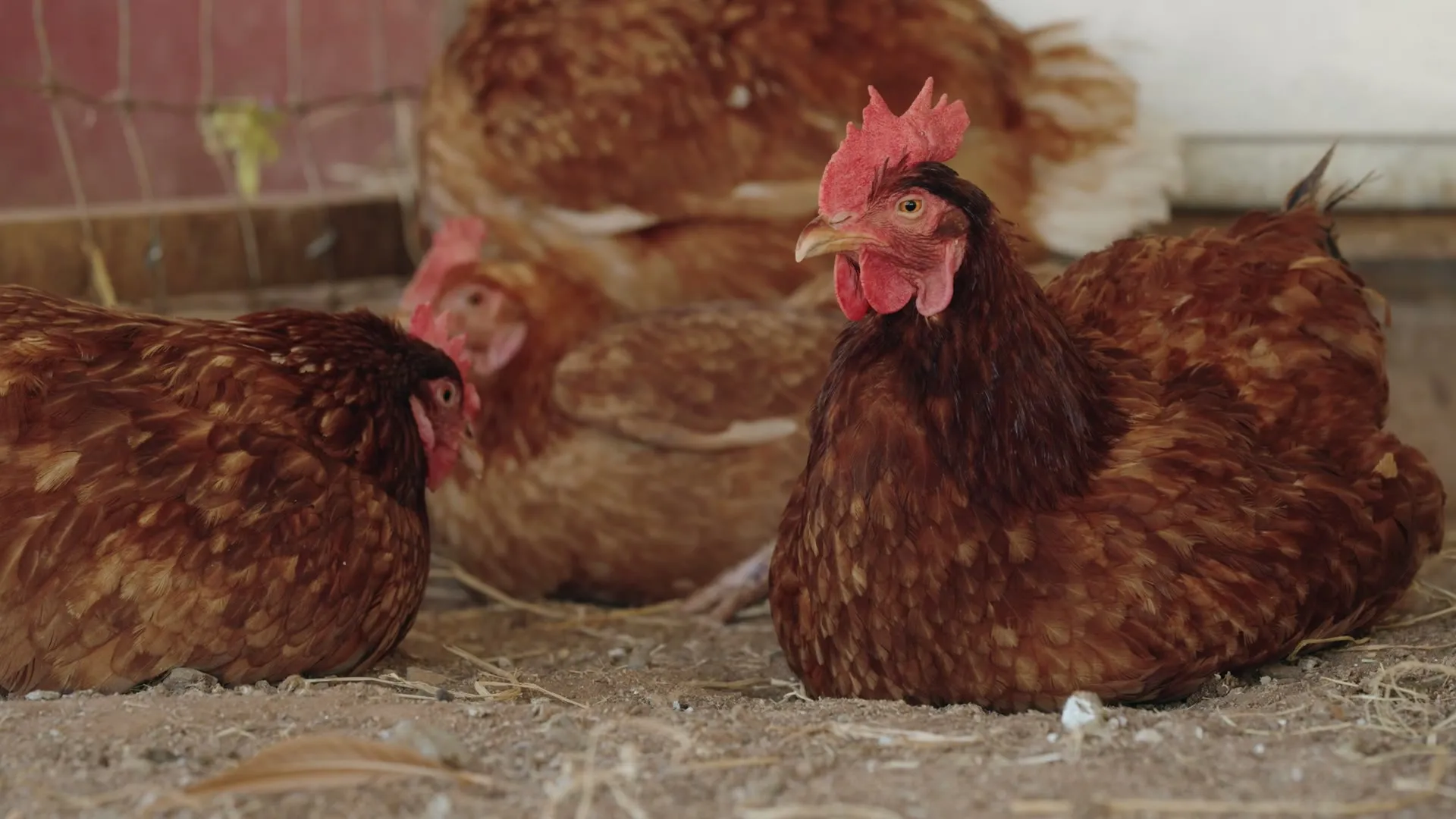
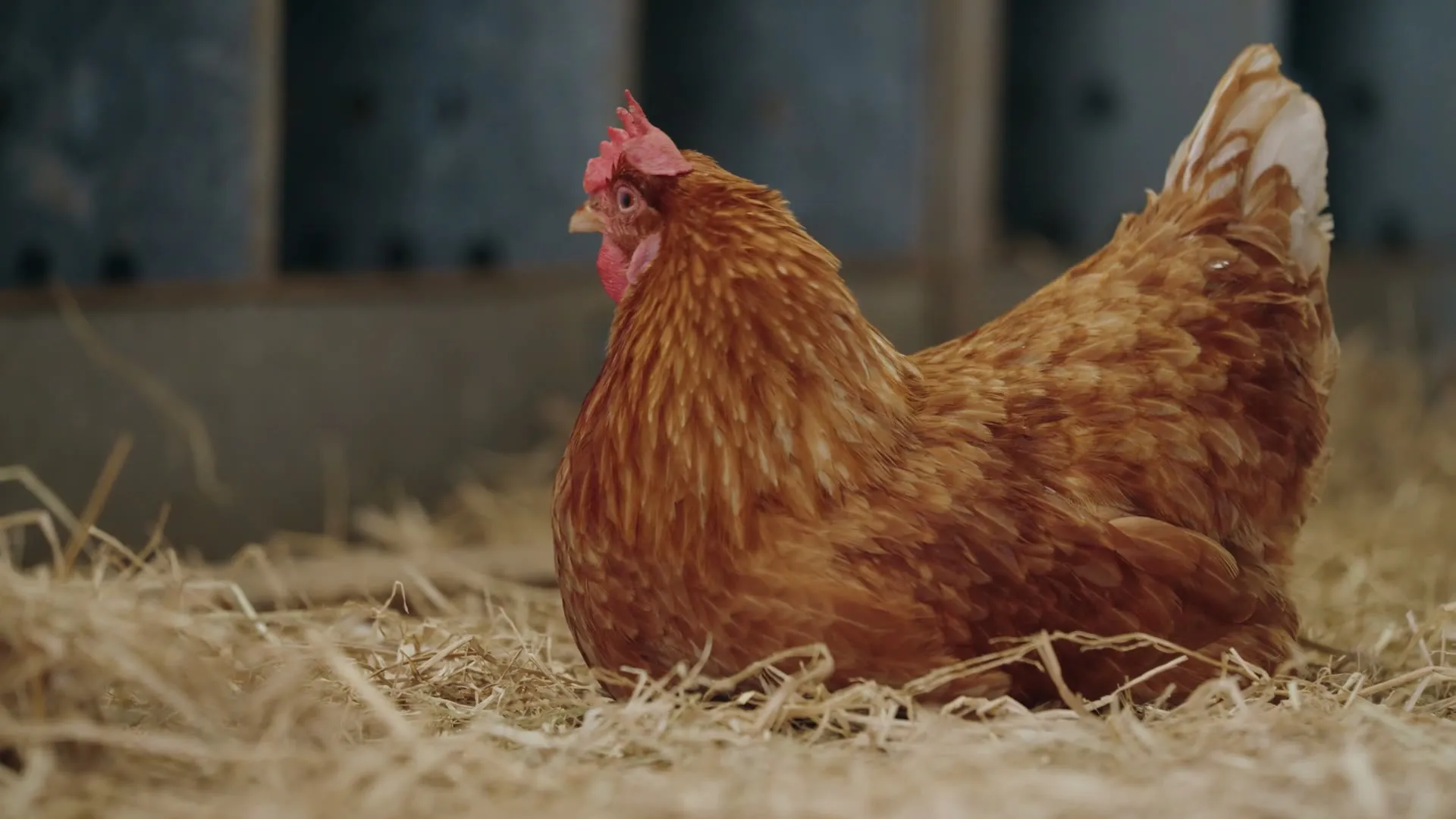
Cage-free means hens are not kept in cages: they can walk, spread their wings, perch and lay their eggs in nests. It is not a perfect life, but it is a fundamental step away from the worst confinement. 12
Cage-free does not mean free-range or outdoor access. It means no cages.
Where cages are already being left behind
- European UnionConventional battery cages banned since 1 January 2012.56
- SwitzerlandNo battery cages since 1992, after a ten-year transition.15
- California, USAEggs sold must come from cage-free housing since 2022.14
- Latin AmericaChile, Brazil and Colombia are debating bills to end cages for laying hens.161718
Questions
Frequently asked questions
What is a battery cage?
A small wire cage, set in long rows and stacked, where laying hens are kept for their whole productive life. European law allowed as little as 550 cm² per hen before banning them: less than an A4 sheet of paper.5
Do hens really suffer in cages?
Yes. The European Food Safety Authority found that cages prevent hens from performing comfort, exploratory and foraging behaviours and restrict their movement, and recommends housing all hens in non-cage systems.78
Are hens intelligent?
A scientific review concluded that chickens are as cognitively, emotionally and socially complex as most other birds and mammals in many areas. They show self-control and evidence of empathy towards their chicks.11
Is cage-free the same as free-range?
No. Cage-free means hens can move freely indoors, with perches, nests and space to scratch. Free-range also requires access to the outdoors.12
Does cage-free solve everything?
No, but it makes a big difference. Researchers estimate that moving a hen from a conventional cage to a cage-free system cuts the time she spends in disabling pain by 63%. It is a fundamental first step.4
Take action
Your voice counts
Choose cage-free
When you buy eggs or products made with eggs, look for cage-free. Ask the places where you eat what eggs they use.
Share
Tell your friends what a battery cage is. Use #LetThemFly and #DéjalasVolar.
Join the campaign
Organizations across Latin America are asking food companies to stop buying eggs from caged hens.
Take action now →
#DéjalasVolar
Want to do more?
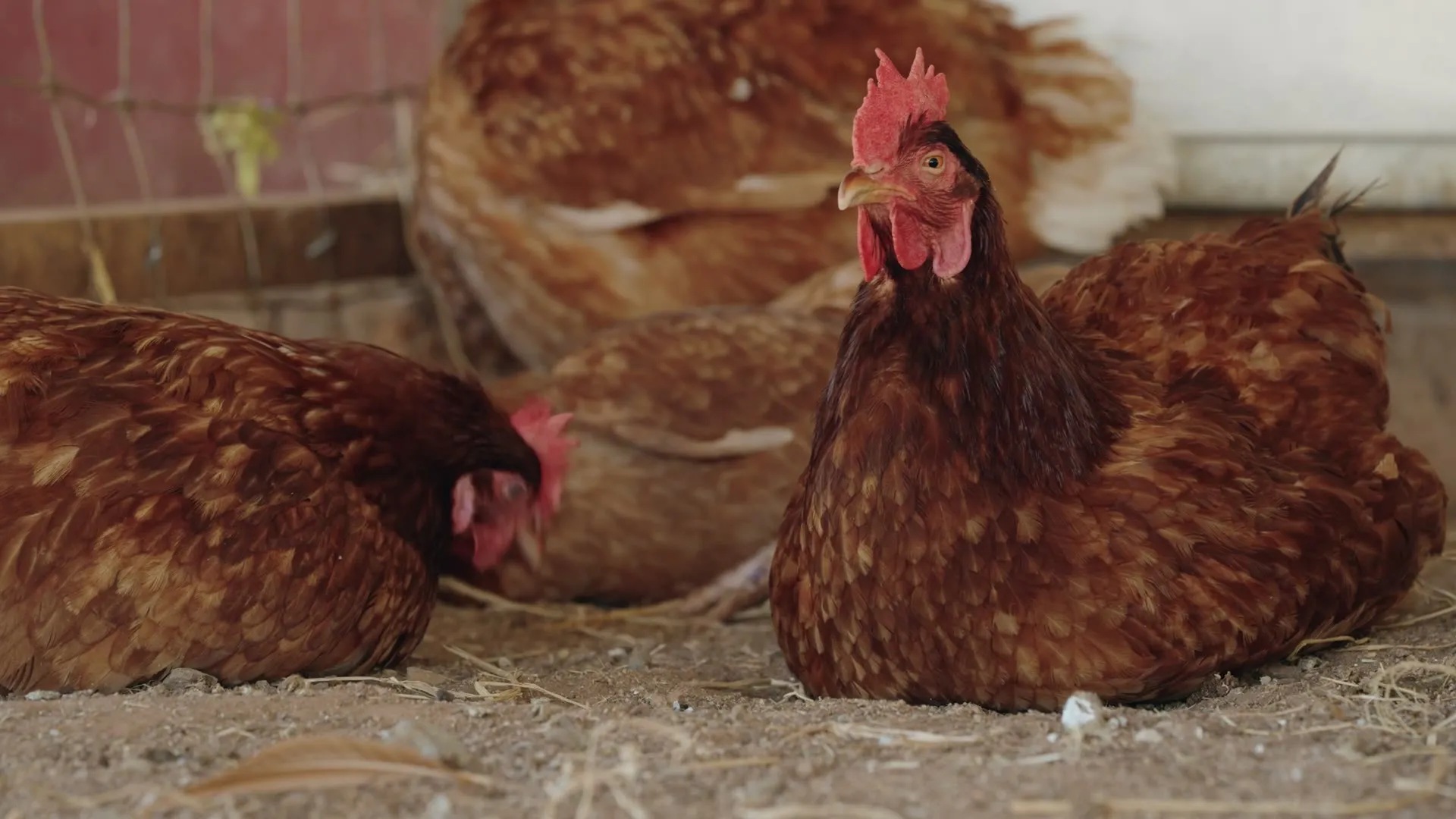
Join #DéjalasVolar, the campaign from Latin America for a future without cages.
Join #DéjalasVolarFrom Latin America to the world: let them fly.